From Ceramics to Monocrystalline Silicon: The Evolution of Etch Components
Technical Insight
Selecting materials for etch-chamber components requires consideration of electrical characteristics, crystal structure, surface loss and each part’s role. Ceramics, polycrystalline silicon and monocrystalline silicon suit different conditions and bring different process considerations.
From Ceramics to Silicon-Based Materials
Ceramics offer insulation and temperature resistance for insulating and structural equipment parts. Functional components close to the wafer also require evaluation of electrical response, thermal expansion and process compatibility.
Silicon components share the same base element as silicon wafers, offering another approach to electrical and material compatibility. Selection is based on component location, function and process conditions, rather than replacing all ceramics with silicon.
Polycrystalline vs. Monocrystalline Structure
Polycrystalline silicon contains multiple grains separated by grain boundaries. Under plasma exposure and thermal cycling, loss and stress near boundaries may differ from those within grains. Surface roughening, particles and long-term loss therefore require attention.
Monocrystalline silicon has a continuous crystal structure without these grain boundaries. This distinction matters where consistent surface loss is important. It does not mean zero particles: raw materials, machining, cleaning and operating conditions still affect performance.
Silicon Components in Etch Equipment
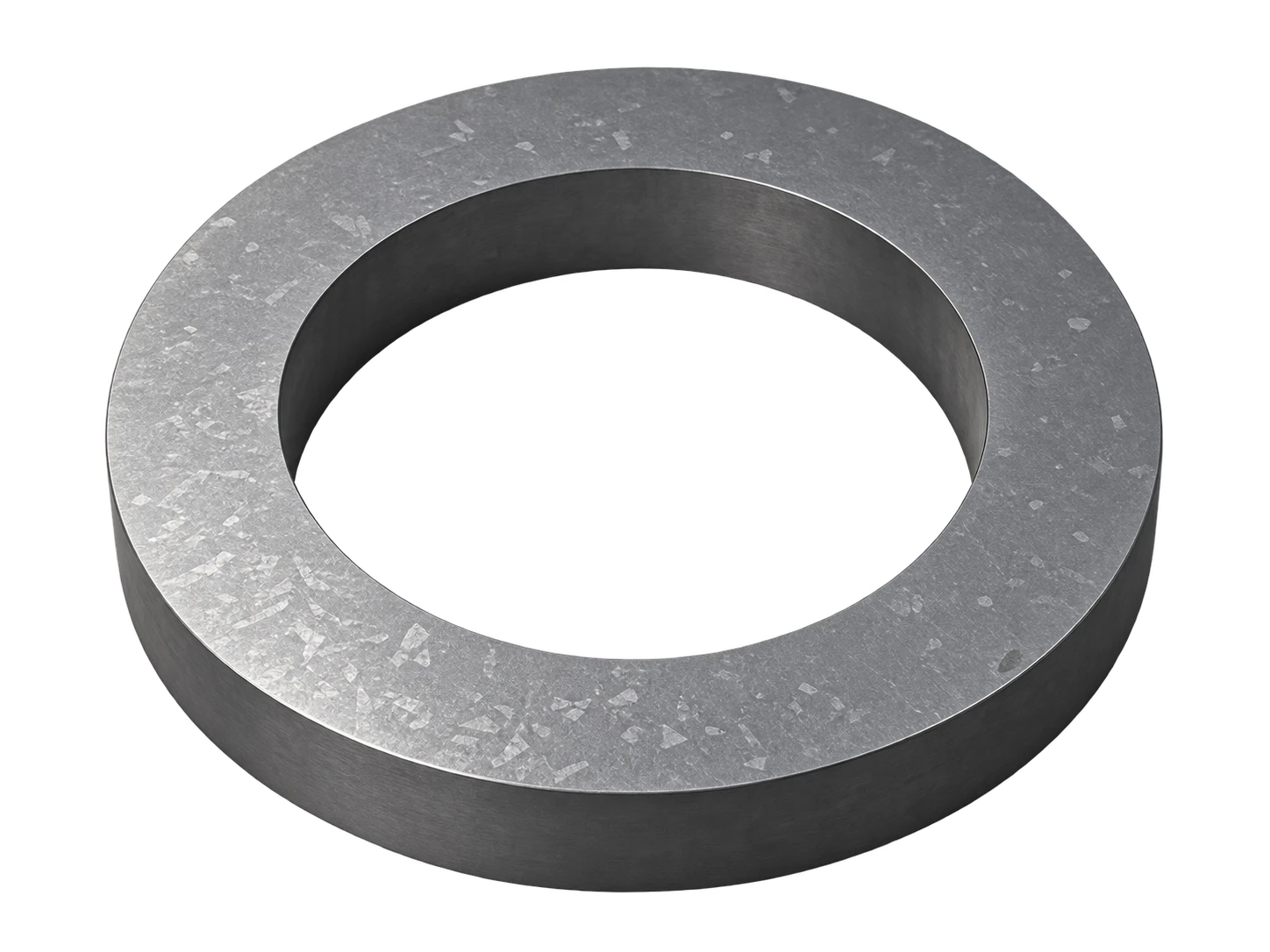
Focus rings and other silicon rings: Parts around the wafer whose geometry, electrical properties and wear are important process factors.
Silicon electrodes and showerheads: Depending on equipment design, these support electrical coupling or gas distribution. Material, resistivity, hole locations and surface requirements must be confirmed separately.
Silicon liners: Chamber components whose fit, surface condition and process compatibility must be confirmed against equipment requirements.
Material Selection & Process Validation
Confirm the application and delivery form before discussing material and geometric parameters. Ingots, cylinders and rings follow different machining routes. Conductivity type, resistivity, oxygen and carbon content, and dimensions must be specified in drawings and technical agreements.
Dimensional tolerance, flatness and roughness are separate requirements; one cannot substitute for all surface-quality criteria. Machined surfaces, appearance inspection and packaging must suit subsequent operations.
Application validation remains necessary after material selection. Evaluate particles, etch uniformity, wear and maintenance intervals against equipment requirements to establish acceptance criteria for the specific process.
Technical Consultation & Custom Requirements
Please provide the product form, drawings, conductivity type, resistivity and delivery requirements.